"Vegetarians can't build muscle" is a myth. The real problem is that a typical Indian vegetarian day has 40–50 g of protein, while someone training for muscle needs roughly 1.6–2.2 g per kg of body weight.
Find your numbers first
Macro Calculator
Open full tool →2,796kcal/day
Daily target
126g
Protein
398g
Carbs
78g
Fat
≈ 7 servings of 100 g paneer-equivalent protein a day, spread over 4–5 meals.
High-protein vegetarian staples (approx.)
| Food | Serving | Protein |
|---|---|---|
| Paneer | 100 g | 18 g |
| Soya chunks (dry) | 50 g | 26 g |
| Greek-style curd / hung curd | 200 g | 16–20 g |
| Moong dal (cooked) | 1 katori | 7–9 g |
| Chana / rajma (cooked) | 1 katori | 8–9 g |
| Milk | 300 ml | 10 g |
| Sprouts | 1 cup | 7 g |
| Whey protein (optional) | 1 scoop | 22–25 g |
Sample 100 g day (70 kg person)
- Breakfast: 2 besan chillas with paneer filling + 200 ml milk — ~28 g
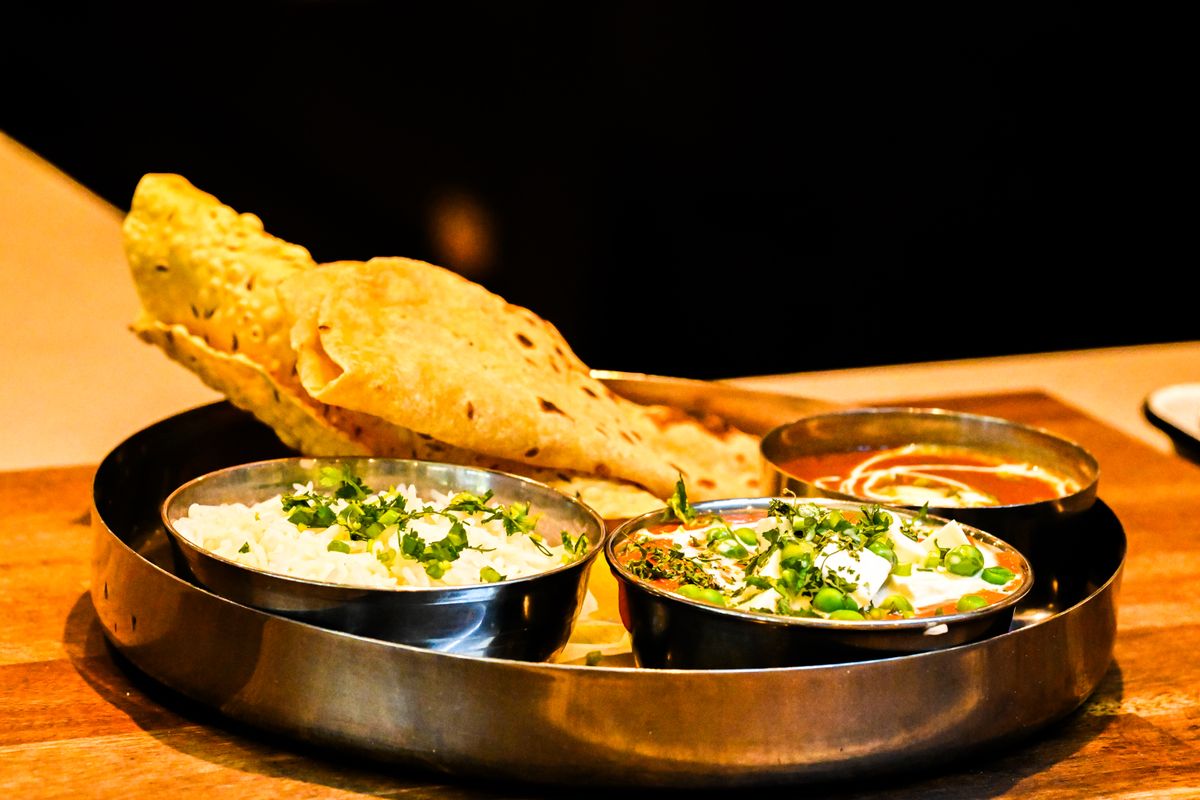
- Lunch: 2 roti, 1 katori dal, 1 katori soya-matar sabzi, curd — ~30 g
- Pre-workout: banana + handful of roasted chana — ~7 g
- Post-workout: hung curd bowl with fruit or 1 scoop whey — ~20 g
- Dinner: paneer bhurji + 2 roti + salad — ~22 g
That is roughly 107 g of protein from normal home food.
Quick quiz
Roughly how much protein does 50 g of dry soya chunks give?
Three rules that matter more than the menu
- Spread protein across 4–5 meals.
- Eat in a small calorie surplus (≈ +250–300 kcal) — too much surplus just adds fat.
- Sleep 7–8 hours. Muscle is built during recovery.
Our trainers build meal plans around what your family already cooks. Ask about it at your trial.