Navratri is nine days of devotion, garba and — for many families — fasting. You don't need to stop training, but you do need to train differently.
Adjust the training, don't abandon it
When you're eating less, aim to maintain strength rather than chase personal records.
- Keep your usual exercises but drop the weight by about 20–30% and stop 2–3 reps short of failure.
- Cut sessions to 30–40 minutes. Skip long, hard cardio and intense HIIT on fasting days.
- Train after a vrat meal, not hours into a fast.
- If you feel dizzy, shaky or unusually tired, stop and eat. People with diabetes, blood-pressure issues or who are pregnant should take medical advice before fasting.
Garba nights are excellent cardio in their own right — count them as your conditioning.
Vrat-friendly foods that give you protein
Fasting food is often fried and carb-heavy. Swap in these:
- Paneer — tikka or bhurji with sendha namak.
- Curd and lassi (go easy on sugar).
- Makhana — roasted, not fried.
- Rajgira (amaranth) and kuttu rotis or cheela instead of fried puris.
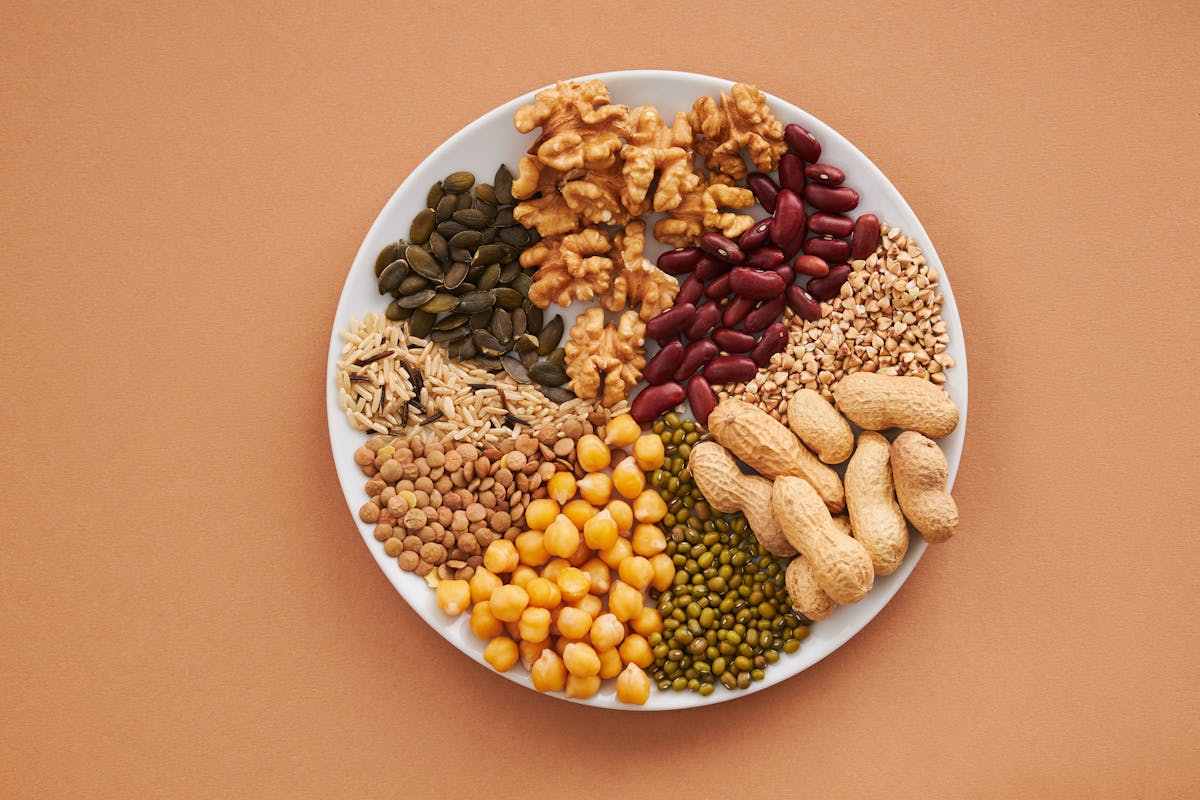
- Peanuts — a handful, roasted.
- Milk — with a few dry fruits.
- Sama rice khichdi with peanuts and curd on the side.
A sample fasting day
| Meal | What to eat |
|---|---|
| Morning | Milk or lassi + a handful of nuts |
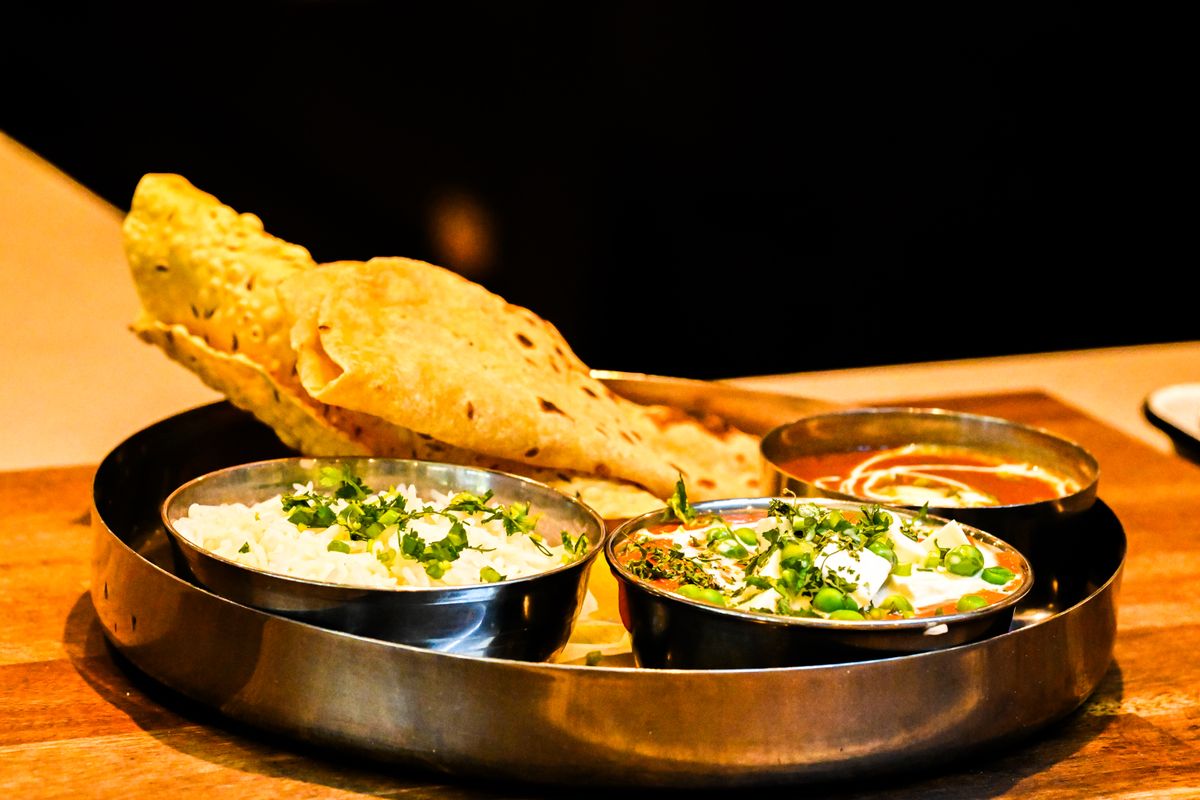
| Lunch | Kuttu or rajgira roti, paneer sabzi (aloo optional), curd |
| Evening | Roasted makhana + fruit |
| Dinner | Sama rice khichdi with peanuts + curd |
Stay hydrated
Fasting and garba together can dehydrate you quickly. Drink water, nimbu pani with sendha namak, buttermilk or coconut water through the day.
Water Intake Calculator
Open full tool →4L
Water per day
≈ 16 glasses of 250 ml
After the nine days
Ease back into full training over 2–3 sessions. Your strength will come back quickly — muscle doesn't disappear in a week.